
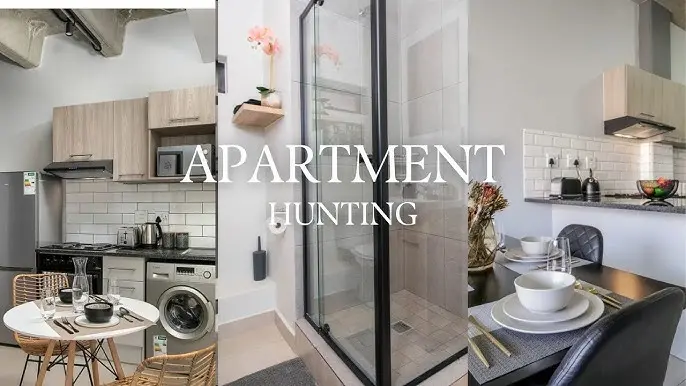
Finding a budget-friendly apartment in South Africa requires balancing affordability, safety, and access to essential amenities. Despite rising rental costs, affordable housing options remain available in many regions if you know where to look and how to plan.
South Africa’s Rental Market in 2025
South Africa’s rental market has undergone significant shifts over the past decade. According to PayProp’s Rental Index (2025), the average national rent reached ZAR 8,600 per month, marking a 5.2% year-on-year increase. Major urban centres such as Cape Town and Johannesburg consistently show higher rents compared to smaller cities and towns.
Cape Town, South Africa’s most expensive rental market, reports average monthly rents around ZAR 10,500 for a one-bedroom apartment in the city centre (Property24, 2025). In contrast, Durban, Gqeberha (Port Elizabeth), and Bloemfontein still provide more affordable options, often under ZAR 6,500 for similar apartments.
The rise in demand is driven by a growing urban population, young professionals seeking proximity to work hubs, and limited new housing developments. This imbalance between supply and demand makes affordability a critical issue, particularly for low- to middle-income households.
Why Affordable Rentals Matter
South Africans spend an average of 33% of household income on rent, according to Statistics South Africa (Stats SA, 2025). For those earning the national median income of approximately ZAR 15,000 per month, affordable rentals—defined as less than ZAR 5,000 per month—are vital for financial stability. Spending beyond this level often leads to housing insecurity, debt accumulation, and limited savings.
Affordable apartments are especially crucial for students, young graduates, and new entrants to the workforce, many of whom are priced out of prime urban areas. With unemployment still at 32% in early 2025, cost-effective rentals play a significant role in enabling mobility, stability, and access to better opportunities.
Strategies to Secure Affordable Rentals
Affordability in South Africa often depends on three core strategies: location flexibility, negotiation, and shared housing.
Renters willing to move slightly outside expensive city centres can save 20–30% on monthly rent. For example, a one-bedroom apartment in Sandton, Johannesburg, may cost ZAR 9,800, but moving to Midrand, only 25 minutes away, reduces the rent to around ZAR 6,800 (Private Property, 2025).
Negotiation is also common, especially with private landlords. Long-term lease commitments and demonstrating stable income can help reduce monthly costs. Shared housing remains one of the most effective strategies, particularly in Cape Town, where co-living arrangements are increasing due to younger demographics.
Table of 10 Budget-Friendly Apartment Examples (South Africa, 2025)
| Location | Apartment Type | Monthly Rent (ZAR) | Source Website |
| Bloemfontein | 1-Bed Flat | 4,500 | www.property24.com |
| Durban (KwaZulu-Natal) | 1-Bed Flat | 5,200 | www.privateproperty.co.za |
| Gqeberha/Port Elizabeth (Eastern Cape) | 1-Bed Flat | 5,300 | www.property24.com |
| Polokwane (Limpopo) | 1-Bed Flat | 5,500 | www.privateproperty.co.za |
| East London (Eastern Cape) | Studio | 5,600 | www.property24.com |
| Pretoria (Gauteng) | 1-Bed Flat | 5,800 | www.privateproperty.co.za |
| Durban North (KwaZulu-Natal) | Studio | 5,900 | www.property24.com |
| Johannesburg South (Gauteng) | 1-Bed Flat | 6,200 | www.privateproperty.co.za |
| Port Shepstone (KwaZulu-Natal) | Studio | 6,300 | www.property24.com |
| Pietermaritzburg (KwaZulu-Natal) | 1-Bed Flat | 6,400 | www.property24.com |
These listings highlight that while average national rent exceeds ZAR 8,000, affordable rentals below ZAR 6,500 are available across secondary cities and suburban areas.
Balancing Cost and Safety
Safety is a central factor in South Africa’s housing market. Cheaper rentals in high-crime areas can lead to hidden costs such as transport or security. Tenants must weigh the benefits of lower rent against the risks of location. Gated communities, even in smaller towns, often strike a better balance by providing affordability with basic security.
The Role of Student Housing
South Africa’s major universities in Cape Town, Johannesburg, Durban, and Stellenbosch attract thousands of students annually. University towns typically offer lower-priced rentals near campuses. For instance, a student flat in Stellenbosch can be rented for around ZAR 5,200 per month compared to over ZAR 10,000 in Cape Town city centre. Shared accommodation reduces costs further, making it a preferred option among students.
Government and Housing Supply
Government housing initiatives focus largely on social housing and subsidies for low-income households. The Social Housing Regulatory Authority (SHRA, 2025) reported ongoing projects to expand affordable rental units in Johannesburg, Cape Town, and Durban. However, supply has not kept pace with demand, leaving many South Africans reliant on private rental markets.
Practical Tips for Tenants
- Search frequently, as affordable listings are rented out quickly.
- Explore smaller towns or suburban areas near major hubs.
- Consider co-living or shared rentals to reduce expenses.
- Negotiate directly with landlords for better deals.
- Factor in utilities and transport costs when comparing rent.
Outlook for 2025 and Beyond
Rental growth in South Africa is expected to continue at a moderate pace of 4–6% annually. While prime urban centres will remain expensive, affordability opportunities will persist in secondary cities and suburban areas. For renters who prioritize flexibility, affordability remains achievable with careful planning.
Conclusion
Affordable rentals in South Africa remain a possibility, even in the face of rising average costs and continued pressure on supply. While major hubs such as Cape Town and Johannesburg continue to dominate with higher rents, many smaller cities and suburban areas still offer apartments at far more accessible prices, often under ZAR 6,500 per month. These options are vital for students, young professionals, and families who need stable housing without overspending.
Affordability is not only about rent alone but also about total living costs, which include safety, transport, and utilities. Tenants who adopt flexible strategies—such as moving slightly outside prime centres, negotiating directly with landlords, or considering shared accommodation—are more likely to secure apartments that balance price and lifestyle needs.
The government’s efforts to expand social housing provide some relief, but the private rental market continues to play the central role in determining affordability. With demand set to grow and annual rental increases projected at 4–6%, renters who remain proactive, informed, and adaptable will be best positioned to find housing that suits both their budget and long-term stability.
In short, affordable apartments in South Africa still exist. The challenge is acting fast, staying informed, and recognising that the right strategy can make all the difference in achieving a sustainable rental solution.
References (APA7)
PayProp. (2025). Rental Index Q1 2025. Retrieved from https://www.payprop.co.za
Private Property. (2025). South African rental listings. Retrieved from https://www.privateproperty.co.za
Property24. (2025). Apartments for rent in South Africa. Retrieved from https://www.property24.com
Social Housing Regulatory Authority. (2025). Social housing projects. Retrieved from https://shra.org.za
Statistics South Africa. (2025). Household income and expenditure survey. Retrieved from https://www.statssa.gov.za