
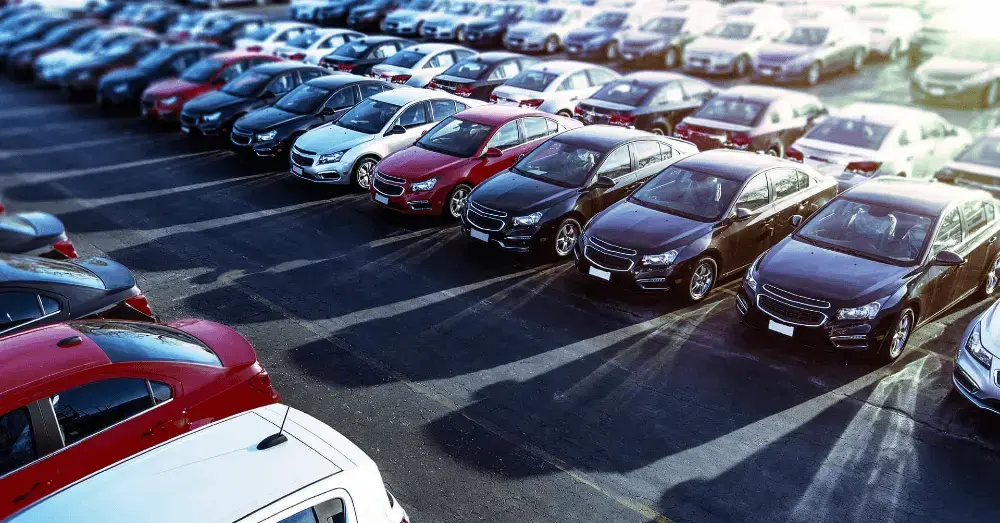
1.Best Platforms for Finding Affordable Used Cars
A. Online Platforms — Nationwide Explore & Pricing Tools
- CarGurus Why it’s great: CarGurus uses a “Deal Rating” system (Great Deal, Good Deal, Fair Price, etc.) based on market value analysis. Best for: Buyers who want transparency on whether a listing is overpriced or a bargain. Tip: Sort by “Great Deal” and expand radius to 500 miles for the biggest savings.
- Autotrader Why it’s great: Millions of listings from both dealers and private sellers. Best for: Comparing multiple trim levels, years, and price ranges in one place. Tip: Use their “Price Drop Alerts” to get notified when a seller lowers the price.
- Cars.com Why it’s great: Strong filters, including body style, mileage, and location. Best for: Buyers who want to see both dealer and private listings in a clean interface. Tip: Look for in states with no sales tax (e.g., NH, OR) and compare total cost.
- TrueCar Why it’s great: Shows what others paid for the same car, so you can negotiate better. Best for: Avoiding overpaying when buying from a dealership. Tip: Check their “Used Car Specials” page for seasonal discounts.
- Facebook Marketplace Why it’s great: Direct contact with private sellers, sometimes below dealer pricing. Best for: Local deals and avoiding dealership fees. Tip: Meet in public places, request a VIN for history check, and beware of scams.
- eBay Motors Why it’s great: Auction-style listings can lead to big bargains. Best for: Buyers willing to ship a vehicle or travel for pickup. Tip: Stick to sellers with high ratings and detailed photos.
- Carvana & Vroom Why it’s great: Entirely online buying experience with home delivery. Best for: Buyers who want convenience and financing options in one place. Tip: Compare their prices with local dealers — convenience sometimes costs extra.
B. Certified Dealership Networks — Peace of Mind, Slightly Higher Prices
- CarMax Pros: Huge nationwide inventory, fixed no-haggle pricing, 30-day return policy. Cons: Usually a bit more expensive than private sales.
- AutoNation Pros: Certified pre-owned (CPO) options, good for newer used cars with warranties. Cons: Negotiation is limited.
- Franchise Dealerships (Toyota, Ford, Honda, etc.) Pros: Factory-certified vehicles, warranty coverage, low-mileage cars. Cons: Prices can be 10–15% higher than private sales.
C. Alternative & Local Sources — Often Cheapest, but Riskier
- Public Auto Auctions (e.g., Copart, Manheim, IAAI) Pros: Potentially huge savings. Cons: Cars often sold “as-is” with no warranty — mechanical issues possible.
- Craigslist Pros: Direct from owner, sometimes very low prices. Cons: Higher scam risk; always verify title and meet in safe locations.
- Local Independent Dealers Pros: Willing to negotiate, flexible on payment options. Cons: Smaller selection, quality varies.
- Government Surplus Auctions Pros: Fleet vehicles maintained on schedule (e.g., police cars, postal vans). Cons: Limited models, may have high mileage.
Pro Buying Tip
💡 Don’t stick to one platform. Use at least three online tools and cross-reference VIN numbers — sometimes the same car is listed at different prices on different websites.
2.Cheapest States to Buy a Used Car
Based on data from multiple U.S. auto market studies, here’s a state-by-state ranking of where you can expect the lowest average used car prices.
Table 1 — Average Price for 1–5 Year-Old Used Cars by State
| Rank | State | Avg. Price (USD) |
| 1 | Vermont | $31,445 |
| 2 | New Hampshire | $31,833 |
| 3 | Ohio | $32,267 |
| 4 | Hawaii | $32,381 |
| 5 | Rhode Island | $32,789 |
| — | U.S. Average | $33,582 |
Other data sources (CarsDirect & TheAutoChannel) also show Indiana, Kentucky, Delaware, Virginia, and Connecticut among the cheapest states, with prices often $1,000–$2,000 below the national average.
Key Factors Affecting Price Differences
- Inventory & Competition – States with many dealerships and high vehicle turnover (e.g., Florida, Texas) often have lower prices due to competition.
- Climate & Vehicle Condition – Northern states use road salt in winter, which can cause rust; southern states avoid that but may have flood damage risks.
- Sales Tax & Fees – States like New Hampshire, Oregon, and Montana have no sales tax, lowering the “out-the-door” cost.
- Market Demand – Rural states may have lower demand for certain types of vehicles, pushing prices down.
Best Strategies to Get a Cheaper Used Car
- Research Low-Price States: Check Vermont, New Hampshire, Ohio, Indiana, Delaware, etc.
- Compare “Total Cost”: Factor in price, taxes, transport, and registration fees.
- Use Multi-State Filters: Websites like CarGurus and Cars.com allow you to look for beyond your ZIP code.
- Check for Incentives: Some dealers offer financing or trade-in bonuses that can offset costs.
- Always Get a Vehicle History Report: Use Carfax or AutoCheck before committing.
- Have a Mechanic Inspection: Especially for out-of-state purchases.
How to Buy from Another State
Step-by-Step Guide:
- Find Your Target Car – Use multi-state scans on online platforms.
- Request Detailed Photos & History – Avoid surprises.
- Negotiate Before Traveling – Lock in the price to avoid wasting a trip.
- Arrange for Inspection – Hire a local mechanic if you can’t travel.
- Understand the Paperwork – Know how title transfer, registration, and taxes will work in your home state.
- Plan Transport – Decide whether to drive it home or hire a shipping service.
10 Affordable U.S. Locations for Used Car Shopping
| Rank | Location (City & State) | Estimated Price Range | Why This Area Is Cheaper |
| 1 | Columbus, Ohio | mid-range to moderately low | Large dealer network and steady supply of trade-ins |
| 2 | Manchester, New Hampshire | moderately low to low | Lower overall costs and efficient turnover cycles |
| 3 | Indianapolis, Indiana | mid-range to moderately low | Centralized regional inventory flowing into the market |
| 4 | Louisville, Kentucky | moderately low | Softer demand for certain segments keeps prices flexible |
| 5 | Richmond, Virginia | mid-range to moderately low | Strong private-seller activity offering competitive deals |
| 6 | Tampa, Florida | mid-range | High vehicle turnover driven by population growth |
| 7 | Salt Lake City, Utah | mid-range | Well-maintained family vehicles and predictable pricing |
| 8 | Portland, Oregon | wide mid-range | EV-leaning buyer base increases supply of older gas sedans |
| 9 | Milwaukee, Wisconsin | mid-range to moderately low | Seasonal inventory surges and aggressive dealer pricing |
| 10 | Albuquerque, New Mexico | moderately low | Lower demand creates more negotiable price points |
3.Q&A: Common Buyer Questions
Q1: What’s the cheapest state to buy a used car?A1: Vermont, New Hampshire, and Ohio consistently rank among the lowest in average prices.
Q2: Is it worth traveling to another state to buy?A2: Yes, if the savings outweigh travel, shipping, and registration costs.
Q3: Are southern cars better than northern cars?A3: Southern cars avoid road salt damage, but you must check for flood history.
Q4: How can I avoid scams when buying online?A4: Only deal with verified sellers, use escrow services for payment, and always inspect the vehicle.
4.Conclusion
Buying a used car at the best possible price in the U.S. requires research, patience, and flexibility.
By focusing on states with lower average prices, comparing total ownership costs, and leveraging trusted platforms, you can save thousands while still getting a reliable vehicle.
Whether you choose to shop locally or across state lines, the key is to verify vehicle history, condition, and ownership before handing over any money.
References
https://www.iseecars.com/used-car-prices-by-state-study
https://www.carsdirect.com/auto-loans/getting-a-car-loan/average-used-car-prices-by-state
https://www.reddit.com/r/askcarguys/comments/1jibmh6
https://www.reddit.com/r/askcarsales/comments/11k9po6
https://www.spoolah.com/blog/best-states-to-buy-car/